Consumer telehealth · Online menopause care
Alloy
Alloy is an online menopause clinic where menopause-trained doctors prescribe hormone therapy and related treatments by message, with medications shipped to the patient.
Strong fit
- Women in perimenopause or menopause who want hormone therapy online
- Patients who prefer messaging a doctor over video visits
- Cash-pay patients who want clear prices and HSA or FSA use
Weak fit
- Patients who want insurance to cover visits
- Women who want in-person exams or labs
- People looking for full primary care

Bottom line
Alloy is an online menopause clinic where menopause-trained doctors review an intake and prescribe hormone therapy and related treatments by message. It suits women who want fast, cash-pay care with clear prices. Patients who want insurance-covered visits or in-person exams should look elsewhere.
Score breakdown
Weights: Outcomes 35% · Product 30% · Implementation 20% · Pricing clarity 15%.
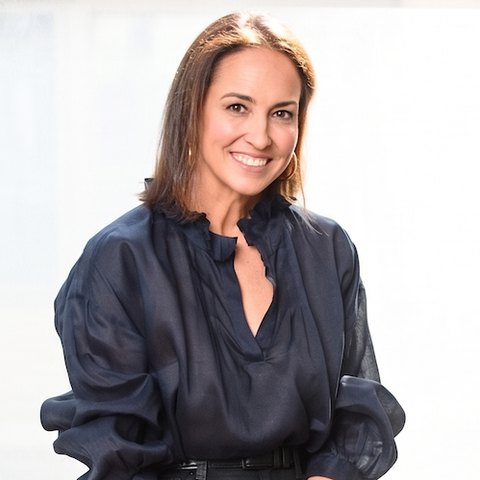
Anne Fulenwider and Monica Molenaar founded Alloy and run it as co-CEOs. Fulenwider was editor in chief of Marie Claire for eight years. Molenaar went into surgical menopause at 40 after having her ovaries removed because of a BRCA gene mutation.
Patients fill out an online intake, and a menopause-trained doctor reviews it and writes a plan, usually without a video visit. Treatments include hormone therapy in several forms plus products for skin, hair, and sexual health. Medications ship to the patient's door.
Dr. Sharon Malone, an OB-GYN known for her work on menopause, serves as chief medical advisor. After the consult fee, patients can message their doctor without limit.
Alloy chose not to take insurance so prices stay simple and public. That helps patients who know what they want, and it can cost more for those whose plans would cover hormone therapy.
Alloy grew slowly and turned profitable before raising much money. Kairos HQ led its $16 million Series A in November 2024, which Alloy planned to use to move into hair, skin, and sexual wellness for women in midlife.
Evernow fits women who want insurance to cover video visits. Allara Health fits women whose hormone questions overlap with thyroid, PCOS, or metabolic care. Mochi Health fits patients whose main goal is weight care, with menopause treatment added.
Competitor landscape
| Vendor | Overall | Ease of implementation |
|---|---|---|
| Allara Health | 7.7 | 7.8 |
| Evernow | 7.6 | 7.9 |
| Alloy | 7.4 | 8.0 |
| Mochi Health | 7.0 | 6.6 |
Pricing
| Item | Detail |
|---|---|
| Model | Alloy charges a one-time consult fee, then a cash price for each prescription. |
| What usually drives cost | For Alloy, cost depends on which treatments you are prescribed, the supply length you choose, and whether you add skin, hair, or sexual health products. |
| What to ask before you buy | Ask Alloy for the full monthly cost of your plan, what refills cost after the first order, and how often a doctor reviews your plan. |
| Note | Alloy does not take insurance, but HSA and FSA cards work. |
| Published pricing | Alloy lists a $49 one-time consult fee that includes unlimited doctor messaging. Its estradiol pill lists at $39.99 for 30 days. |
Leadership
Methodology
| Weight | Factor | What it measures |
|---|---|---|
| 35% | Customer outcomes | Whether buyers get measurable operational or clinical-workflow results after go-live |
| 30% | Product | Capability depth, reliability, and fit for the job the category buys |
| 20% | Implementation | How hard it is to stand up, integrate, train, and stabilize |
| 15% | Pricing clarity | Whether a buyer can model total cost without a mystery quote |
| Label | Meaning |
|---|---|
| Highly recommend | Strong outcomes and product with manageable caveats |
| Recommend | Solid fit for the right buyer; know the tradeoffs |
| Conditional | Only with a specific use case or heavy caveats |
| Not recommended | Avoid for most buyers in this category |
Read our full methodology for how we weight scores and assign recommend labels.