Clinical systems · Clinical decision support AI
OpenEvidence
OpenEvidence makes an AI medical search engine that answers clinicians' questions with citations to peer-reviewed research; it is free for verified U.S. clinicians and paid for by advertising.
Strong fit
- Physicians and advanced practice clinicians who want fast answers to clinical questions with citations to the studies behind them
- Health systems that want a clinical reference tool most of their doctors may use on their own phones
- Residents and trainees who look up drug choices, dosing, and recent trial results during the day
Weak fit
- Organizations that do not want drug company advertising inside a clinical tool
- Buyers who need a reference tool with an editorial board signing each topic, as UpToDate has
- Teams that need a tool cleared by the FDA for diagnosis

Bottom line
OpenEvidence, based in Miami, Florida, makes an AI search engine that answers clinicians' medical questions with citations to peer-reviewed research. Verified clinicians in the United States use it for free, and drug company advertising pays for it. It fits doctors who want quick, sourced answers at the point of care and health systems that want a reference tool their clinicians will open.
Score breakdown
Weights: Outcomes 35% · Product 30% · Implementation 20% · Pricing clarity 15%.
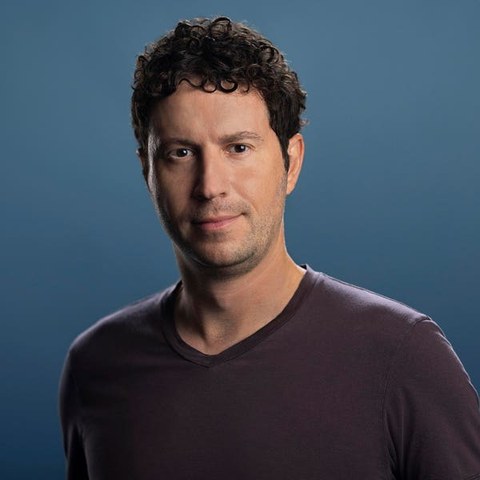
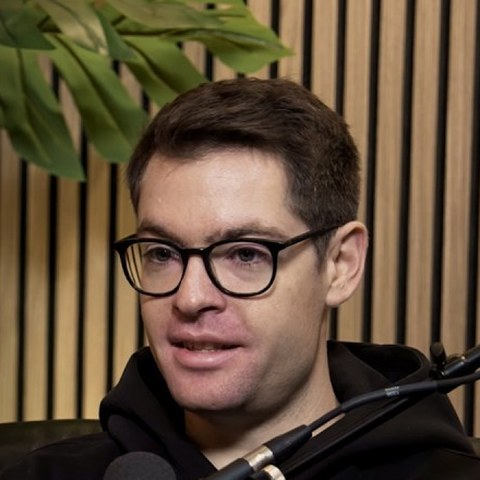
Daniel Nadler founded OpenEvidence in November 2021 with Zachary Ziegler, then a machine learning PhD student at Harvard. Nadler had earlier co-founded Kensho, an AI company for financial analysis that S&P Global bought in 2018. OpenEvidence searches millions of peer-reviewed papers, ranks sources from journals such as the New England Journal of Medicine and JAMA, and returns an answer that cites each study it used, so a doctor can check the evidence. It has signed content agreements with NEJM, JAMA, Nature, NCCN, and Cochrane. In July 2025 it added DeepConsult, which researches a question across many studies while the doctor keeps working.
OpenEvidence is free for verified clinicians and earns its money from advertising, much of it from drug companies. The Information reported in July 2026 that 860,000 verified U.S. clinicians used it and that it was earning close to $300 million a year in revenue. Because it is not a diagnostic device, it does not need FDA clearance, and doctors can sign up without going through hospital purchasing.
Compare Doximity when a health system also wants physician messaging, a calling app for telehealth, and its own clinical AI tool, Doximity Ask, and Glass Health when a practice wants AI that drafts a differential diagnosis and a treatment plan and also writes visit notes.
Competitor landscape
| Vendor | Overall | Ease of implementation |
|---|---|---|
| OpenEvidence | 8.4 | 8.8 |
| Doximity | 6.9 | 7.1 |
| Glass Health | 6.8 | 6.9 |
Pricing
| Item | Detail |
|---|---|
| Model | Free for verified U.S. clinicians, paid for by advertising; health-system agreements are negotiated with OpenEvidence. |
| What usually drives cost | For individual clinicians, nothing. For a health system, the scope of any enterprise agreement, such as integration with its own systems and controls over advertising. |
| What to ask in diligence | Whether advertising appears for your clinicians, how sponsored content is labeled, and what an enterprise agreement adds over the free version. |
| Published pricing | Free tier described on openevidence.com. |
Individual use is free for verified clinicians in the United States.
Prerequisites for purchase
| Need | Why it matters |
|---|---|
| What you need to get OpenEvidence to function | |
| Clinical informatics or CMIO owner | Someone should set guidance for use. |
| Policy on AI reference tools | Clinicians need to know where it fits. |
| Position on sponsored content | Advertising appears in the free version. |
| Verification of clinician accounts | Free access requires verification. |
| Feedback path for wrong answers | Errors should reach the vendor. |
| What will maximize your value | |
| Teach residents to open the cited studies | The citations are the safety check. |
| Pair it with local order sets | Answers do not know your formulary. |
| Review usage by department | Shows where it helps most. |
| Deal-breakers | |
| No drug company advertising allowed | |
| Needs FDA-cleared diagnostic software | |
| No one owns AI tool guidance | |
Value creation time frame
| # | Stage | Typical range |
|---|---|---|
| 1 | Clinician sign-up and verification | Same day |
| 2 | Guidance and training for residents | 2-4 weeks |
| 3 | Enterprise agreement, if wanted | 1-3 months |
Leadership
Methodology
| Weight | Factor | What it measures |
|---|---|---|
| 35% | Customer outcomes | Whether buyers get measurable operational or clinical-workflow results after go-live |
| 30% | Product | Capability depth, reliability, and fit for the job the category buys |
| 20% | Implementation | How hard it is to stand up, integrate, train, and stabilize |
| 15% | Pricing clarity | Whether a buyer can model total cost without a mystery quote |
| Label | Meaning |
|---|---|
| Highly recommend | Strong outcomes and product with manageable caveats |
| Recommend | Solid fit for the right buyer; know the tradeoffs |
| Conditional | Only with a specific use case or heavy caveats |
| Not recommended | Avoid for most buyers in this category |
Read our full methodology for how we weight scores and assign recommend labels.