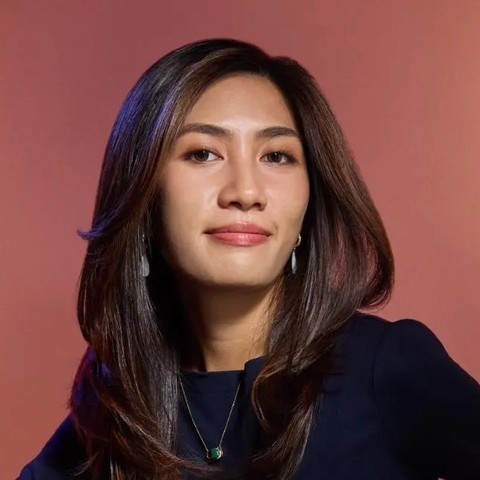
Company leader
Havi Nguyen
Founder and CEO
Abby Care
Havi Nguyen is the founder and chief executive of Abby Care, which trains family members to become certified, paid caregivers for relatives on Medicaid. She grew up in Baytown, Texas, the eldest daughter of Vietnamese immigrants who ran a nail salon, and handled her family's Medicaid paperwork from a young age.
Growing Up With Medicaid in Baytown, Texas
Nguyen's parents ran a nail salon east of Houston, and the family's income was low enough to qualify for Medicaid, according to a Forbes profile republished by Forbes Vietnam. She worked at the salon on weekends and during summers. On Abby Care's Our Story page she writes: “I grew up in Texas as the eldest daughter, taking on the responsibility of navigating the confusing Medicaid system so my sisters could get the care they needed.” When her grandmother had a stroke and fell, the family took on her care as well.
Computer Science at Columbia
She taught herself to code at 16 to build games, won a scholarship to study computer science at Columbia University, and interned at Google and Facebook, Forbes reported. Her first full-time job was at Songbird, a therapy startup in San Francisco, where she saw how hard it was for families to get care for their children.
Starting Abby Care in Colorado
Colorado had allowed paid family caregiving since 2001, when only a few states did, and Nguyen chose it as the place to prove the model. She told Forbes that 37 states now support the kind of care Abby Care provides. The company had $15 million in revenue in 2025, Forbes reported, and Sequoia partner Alfred Lin told the magazine that if she makes the model work, it could open up a very large pool of caregivers.
When Abby Care announced an $82 million Series C in October 2026, Nguyen said: “When you leverage the person who already knows a family member best and is consistently there for them, and combine that with clinical oversight, technology, and real-time visibility, you can deliver care that is more proactive and preventative than other traditional care models.”